Traumatic Brain Injury Lawyer: Proving Long-Term Harm and Calculating Lifetime Costs
By the Editorial Team · Updated August 2026 · 10 min read
Introduction
Traumatic brain injuries (TBIs) are uniquely difficult personal injury cases because the harm is often invisible on the outside and can worsen or evolve over months or years. A traumatic brain injury lawyer works to document not just the initial injury, but its full trajectory — cognitive, emotional, and physical — and calculate what a lifetime of care will actually cost.
This is general information, not legal advice. TBI claims often involve complex medical and economic expert testimony, so consult a licensed attorney about your specific case.
Common Causes of TBI
- Car, truck, and motorcycle accidents
- Slip and fall accidents, especially involving the head
- Sports and recreational injuries
- Workplace accidents, particularly falls or falling objects
- Assault or violent incidents
- Medical malpractice, including birth injuries and surgical errors
Why TBI Cases Are Especially Complex
- Delayed or evolving symptoms — cognitive and personality changes can emerge or worsen weeks after the initial incident.
- Difficult-to-quantify damages — memory loss, mood changes, and reduced cognitive function are harder to put a number on than a broken bone.
- Long-term or lifetime care needs — severe TBIs can require decades of therapy, in-home care, or assisted living.
- Insurer skepticism — because symptoms aren’t always visible on imaging, insurers sometimes dispute the severity or even the existence of the injury.
Classifying TBI Severity
| Severity | Typical Characteristics |
|---|---|
| Mild (concussion) | Brief loss of consciousness or confusion; symptoms often resolve but can persist (post-concussion syndrome) |
| Moderate | Longer loss of consciousness, more pronounced cognitive/physical effects, longer recovery |
| Severe | Extended unconsciousness or coma, significant lasting impairment, often requiring lifelong care |
What Evidence Strengthens a TBI Claim
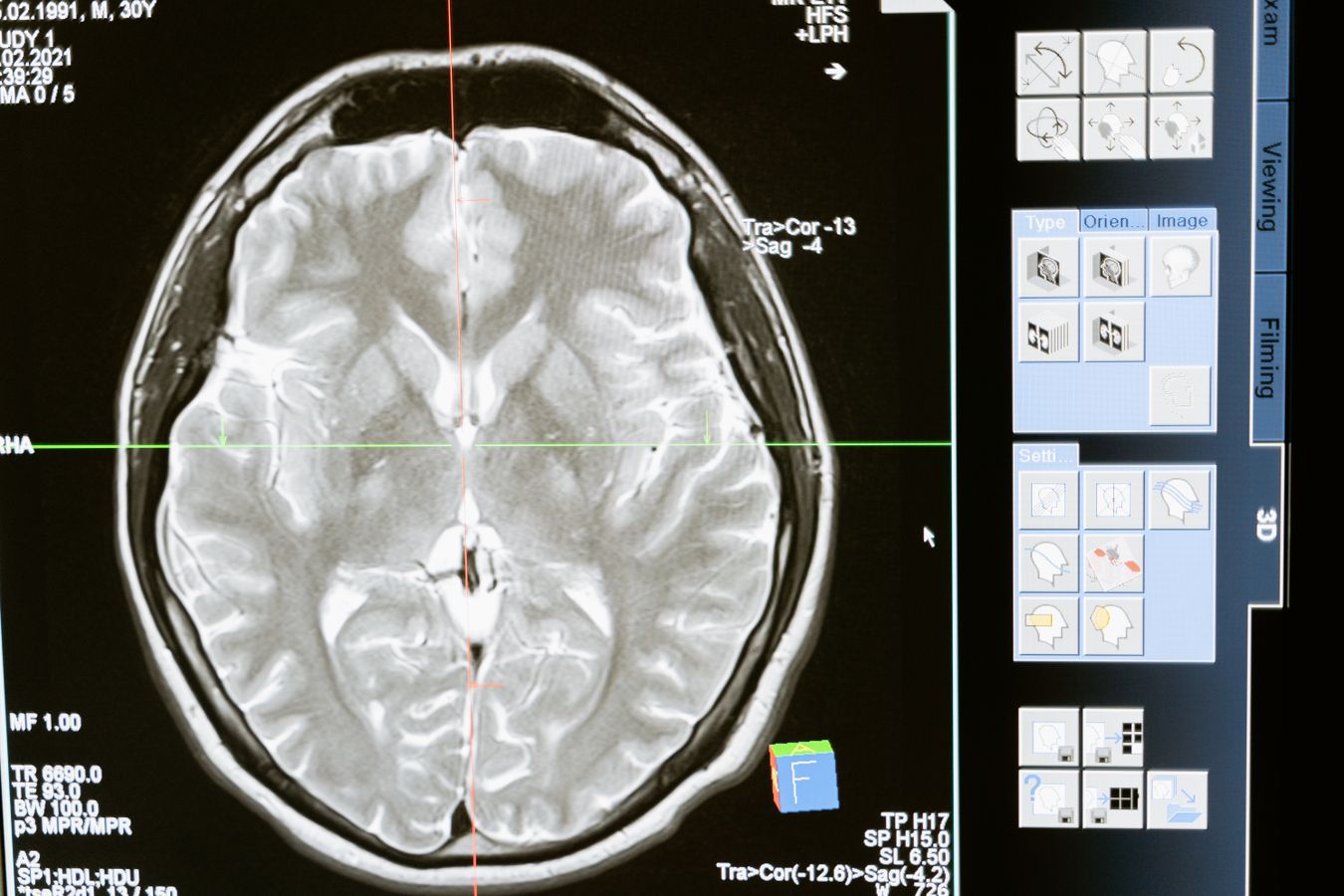
- Imaging (CT, MRI) and neurological evaluations
- Neuropsychological testing documenting cognitive changes
- Treatment records from neurologists, therapists, and rehabilitation specialists
- Testimony from family, friends, and coworkers about observed changes in behavior or function
- A life-care planner’s assessment of future medical and support needs
- Vocational expert analysis of lost earning capacity
What Compensation Can Cover
- Emergency and ongoing medical treatment, including rehabilitation and therapy
- Lifetime care costs for severe, permanent injuries (in-home care, assisted living, equipment)
- Lost wages and permanently reduced earning capacity
- Pain and suffering, including loss of enjoyment of life
- Family/caregiver support costs, including loss of consortium claims in some states
The Claim Process
- Get thorough medical evaluation, including neurological assessment, even if symptoms seem mild at first.
- Continue treatment and follow-up care to build a documented symptom history.
- Consult a traumatic brain injury lawyer, ideally one experienced with TBI-specific medical and economic experts.
- The attorney works with medical and life-care planning experts to project long-term needs and costs.
- A demand is sent once the prognosis is clear; negotiation or litigation follows.
Frequently Asked Questions
What if my scans came back “normal” but I still have symptoms?
Many mild-to-moderate TBIs don’t show clear abnormalities on standard imaging — neuropsychological testing and clinical evaluation are often more relevant to documenting the injury.
How is a lifetime of care valued in a settlement?
A life-care planner and economist typically project future medical, therapy, and support costs based on the injury’s severity and the person’s expected lifespan.
Can I still work with a TBI?
It depends entirely on severity and the specific cognitive or physical effects — a vocational expert can assess how the injury affects your ability to work.
How long do TBI cases typically take?
Longer than most injury cases, often 18 months or more, since attorneys generally wait until the medical prognosis stabilizes before settling.
What if symptoms get worse after we settle?
Settlements are typically final, which is why waiting for a clear, complete prognosis before settling is especially important in TBI cases.
Final Thoughts
Because TBI symptoms can be invisible and evolve over time, these cases depend heavily on thorough documentation and patience — rushing to settle before the full picture is known is one of the costliest mistakes a TBI claimant can make.
Disclaimer: This article is for general informational purposes only and does not constitute legal or medical advice. Consult a licensed attorney and a qualified medical provider about your specific situation.
SEO & Publishing Metadata
- SEO title: Traumatic Brain Injury Lawyer Guide 2026 | TBI Claims
- Meta description: How a traumatic brain injury lawyer proves long-term harm and calculates lifetime care costs after a TBI in 2026.
- URL slug: traumatic-brain-injury-lawyer-guide-2026
- Image alt text: brain scan imaging used in traumatic brain injury claim